

The arrival of your baby is a momentous occasion, a beautiful new chapter that begins. Yet, as one story starts, another one unfolds simultaneously—the story of your own body’s recovery. This journey back to strength is unique for every mother, and paying close attention to your body’s signals is one of the most important things you can do. Among the many changes you’ll experience, understanding postpartum bleeding, or lochia, is fundamental to a safe and confident recovery. It’s a natural process, but knowing what to expect can make all the difference. This guide is designed to empower you with clear, practical knowledge, moving beyond general advice to offer a more detailed look at this crucial aspect of postpartum care.

The Real Story of Postpartum Bleeding: Your ‘Normal’ Pattern
Every mother’s postpartum experience is different, and that includes the pattern of postpartum bleeding, known medically as lochia. It’s not just like a long period; it’s a process with distinct stages. Understanding these stages helps you track your recovery and recognise when something might be amiss. Lochia is your body’s way of expelling the extra blood and tissue that lined your uterus during pregnancy.
- Lochia Rubra: This is the first stage, typically lasting for the first 3 to 5 days after birth. The discharge is bright red and heavy, similar to a heavy menstrual period. You can expect to see some small blood clots during this time.
- Lochia Serosa: Following the rubra stage, your discharge will lighten in both colour and flow. From around day 5 to day 10, it will appear more watery and change to a pinkish-brown colour. The flow will be significantly less.
- Lochia Alba: This is the final stage, which can last from two to six weeks after delivery. The discharge turns a yellowish-white colour, and the flow is much lighter, eventually tapering off completely.
Remember, this timeline is a guide. Increased activity can sometimes cause a temporary increase in bleeding, but it should settle back down with rest.
A Practical Guide to Measuring a ‘Heavy’ Flow
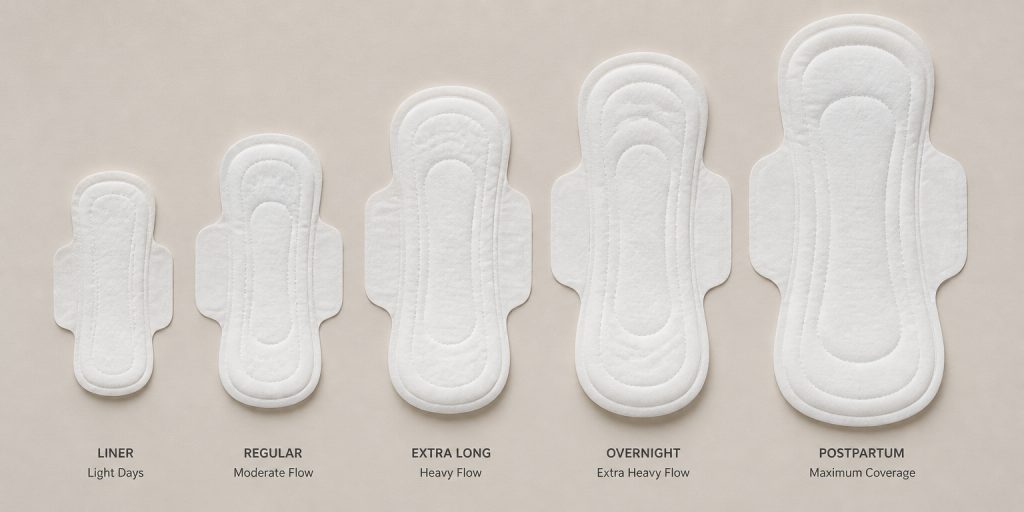
One of the most common questions new mothers have is, “How much bleeding is too much?” Vague answers aren’t helpful when you’re feeling anxious. A more accurate way to monitor your bleeding is by observing how quickly you are soaking through your maternity pads. As a rule of thumb, heavy bleeding is defined as soaking a full-sized maternity pad from front to back in one hour or less. If this happens for more than two hours in a row, it’s a clear signal to contact your
doctor immediately. Another important sign to watch for is the size of blood clots. While small clots are normal, consistently passing clots larger than a golf ball warrants a medical consultation.
Recognising the Red Flags: Differentiating Infection from Retained Tissue
While lochia is normal, certain complications can arise, such as an infection or retained placental tissue. Knowing the distinct symptoms can help you seek the right help quickly.
Signs of an Infection
An infection in the uterus, known as endometritis, will often present with more than just changes in bleeding.
Be alert for:
- A foul or unpleasant smell from the vaginal discharge.
- A fever (high temperature) and chills.
- Pain or tenderness in our lower abdomen or pelvic area.
- Feeling generally unwell, similar to having the flu.
Signs of Retained Tissue
Retained tissue occurs when small pieces of the placenta remain in the uterus after delivery. This can prevent the uterus from contracting properly and lead to heavy bleeding.
Key signs include:
- Postpartum bleeding that was getting lighter suddenly becomes heavy and bright red again.
- Passing large clots of blood.
- Persistent cramping or uterine tenderness that doesn’t seem to be improving.
If you experience symptoms from either of these lists, it is not something to “wait and see” about. Prompt medical attention is essential for your health and wellbeing.
Your Delivery, Your Recovery Journey
The type of delivery you had can slightly influence your postpartum recovery, including your lochia pattern. Mothers who have had a caesarean section may notice slightly less bleeding in the first 24 hours compared to those who had a vaginal delivery. This is often because the surgeon may manually clear some of the uterine lining during the procedure. However, the overall duration and stages of lochia are generally the same for both delivery types. It’s important for all mothers, regardless of delivery method, to monitor their recovery closely and allow their bodies ample time to heal.
Personalised Guidance for Modern Malaysian Mothers
In today’s connected world, support is no longer limited to physical clinic visits. We understand that new mothers in Malaysia need accessible, reliable, and personalised support that fits into their busy lives. That’s why we champion a blend of traditional compassionate care with modern convenience. Through remote check-ins and personalised guidance, we help you navigate your recovery from the comfort of your home. This approach ensures that your questions are answered promptly and your progress is monitored, providing peace of mind. We are dedicated to providing individualised postpartum care that honours your unique journey and empowers you with the confidence to embrace motherhood fully.
Your postpartum recovery is a marathon, not a sprint. By understanding the normal patterns of postpartum bleeding, learning how to monitor your flow accurately, and knowing the critical red flags for complications, you are taking an active and powerful role in your own health. This knowledge is not meant to cause alarm but to empower you. Every mother in Malaysia deserves to feel supported, informed, and confident during this transformative period. Remember to be patient with your body, prioritise rest whenever possible, and never hesitate to reach out for professional support. Your wellbeing is the foundation upon which your new family will thrive, making your own care a top priority.
Frequently Asked Questions
Q: How long does postpartum bleeding (lochia) normally last?
A: Postpartum bleeding, or lochia, typically lasts for four to six weeks after delivery, transitioning through red, pinkish-brown, and finally yellowish-white stages.
Q: When should I worry about my postpartum bleeding?
A: You should contact a doctor if you soak a maternity pad in an hour or less, pass blood clots larger than a golf ball, or if the discharge has a foul smell.
Q: What kind of postpartum support does Esther Postpartum Care offer?
A: Esther Postpartum Care offers personalised in-home and remote support, including recovery monitoring, lactation consulting, and guidance based on your specific needs and delivery type.
Q: Is it normal for lochia to smell?
A: Normal lochia should have a mild, stale, or fleshy smell, similar to menstrual blood. A strong, foul, or fishy odour can be a sign of infection and requires medical attention.
Q: Can I get personalised postpartum advice from Esther Postpartum Care?
A: Yes, we specialise in creating personalised care plans that address your unique recovery journey, providing tailored advice and support for new mothers across Malaysia.