
A Specialist’s Guide to Postpartum Breast Massage for Malaysian Mothers
The journey into motherhood is filled with incredible moments, but it can also present unexpected physical hurdles. For many new others in Malaysia, one of the most pressing concerns is breastfeeding. You might feel overwhelmed by discomfort, worried about your milk supply, or anxious about issues like engorgement and blocked ducts. It’s a common experience, but you don’t have to navigate it alone. We believe that with the right knowledge and techniques, breastfeeding can become a more comfortable and confident experience. This article delivers an expert overview of specialised breast massage techniques, their physiological
benefits in lactation support, and common mistakes to avoid. We will explore how a medical-based approach to breast massage goes far beyond simple relaxation, offering a powerful tool for your postpartum journey.
[IMG1]
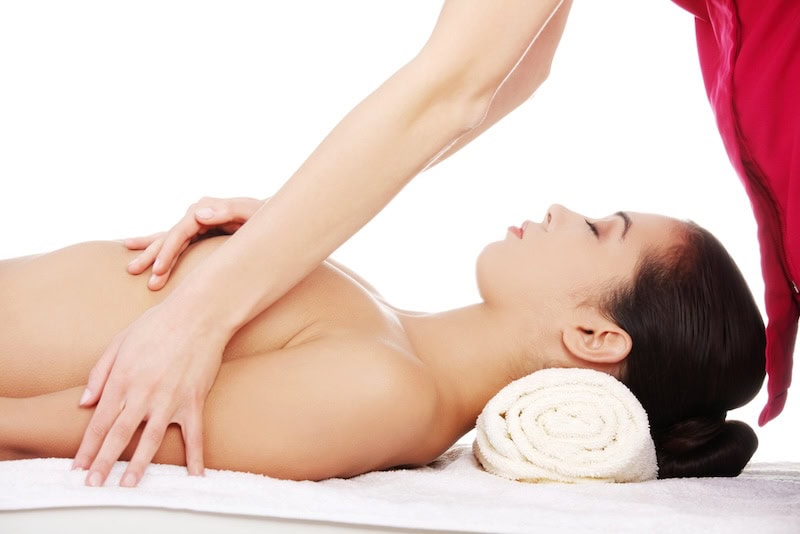
“A therapist gently performing a specialised breast massage on a new mother.”
Understanding Your Body’s Postpartum Changes
Your body undergoes a remarkable transformation after birth, and your breasts are at the centre of this change. It is not just about milk “coming in”. Factors like IV fluids administered during labour can lead to widespread tissue swelling (edema) throughout your body, including your breasts. This can cause the areola to become firm, making it difficult for your baby to latch properly.
Furthermore, your milk itself is dynamic. It begins as colostrum and transitions to mature milk, which is composed of watery foremilk to quench thirst and richer, fattier hindmilk for growth. Understanding this physiology is the first step toward addressing common breastfeeding challenges effectively.
Discovering Targeted, Evidence-Based Massage
Not all massage is created equal. While a general rub might feel nice, specialised techniques are designed to address specific physiological issues. We advocate for methods grounded in science, not just tradition. Two highly effective techniques are: – Reverse Pressure Softening (RPS): This is a gentle but powerful technique used when the areola is firm from swelling. By applying steady, gentle pressure with your fingertips around the base of the nipple, you can temporarily move the excess fluid away. This softens the area, making it much easier for your baby to achieve a deep and effective latch, which is crucial for preventing nipple pain and ensuring good milk transfer. – Okétani Massage: Developed in Japan, the Okétani method is a specialised approach that
focuses on improving the condition of the breast tissue itself. It is not about forcefully “milking” the breast. Instead, it aims to release tension at the base of the breast, improve circulation, and enhance the natural elasticity of the tissue. This helps clear blockages, relieve engorgement, and promote better milk flow without causing pain or damage.
The Critical Role of Lymphatic Health
Many postpartum breast issues can be traced back to one culprit: lymphatic stasis. Think of your lymphatic system as your body’s drainage network, responsible for clearing out excess fluid and waste products. When this system becomes sluggish or overwhelmed—a common scenario after childbirth—fluid can accumulate in the breast tissue. This buildup contributes significantly
to the painful swelling of engorgement and increases the risk of developing mastitis, a painful breast infection. Targeted massage techniques are specifically designed to support and stimulate lymphatic drainage, helping to gently guide this excess fluid away from the breast tissue and back into circulation. This is a non-pharmaceutical strategy to help reduce these risks.
How Massage Optimises Milk for Your Baby
A successful breastfeeding journey is as much about quality as it is about quantity. As your baby nurses, the composition of your milk changes from the thinner foremilk to the calorie-dense hindmilk. This fatty hindmilk is essential for your baby’s growth, development, and feeling of fullness. However, when ducts are blocked or flow is restricted, it can be difficult for this richer milk to be expressed effectively. Proper massage techniques can help to clear these pathways and stimulate the “let-down” reflex, ensuring your baby receives a full feeding that includes this vital hindmilk. This is a key part of holistic postpartum care that nourishes both mother and child.

Steering Clear of Harmful Practices
In a desire to find relief, many mothers are unfortunately advised to use aggressive massage techniques. You may have been told to knead your breasts firmly or use forceful “milking” motions to clear a blockage. Please avoid this. Your breast tissue is delicate and is made up of sensitive glands and ducts. Applying excessive force can easily cause bruising, inflammation, and damage to these delicate structures. This tissue damage can actually worsen inflammation, increase your pain, and potentially lead to more blockages or even an abscess. A gentle, knowledgeable approach is always safer and far more effective.
Your transition into motherhood deserves to be supported with care, expertise, and compassion. Specialised breast massage is not a luxury; it’s an actionable framework for confident self-care that can profoundly impact your breastfeeding experience. By understanding the ‘why’ behind the techniques and prioritising a gentle, educated approach, you can overcome common challenges and build a foundation for a rewarding journey. This proactive approach is a cornerstone of effective postpartum care, empowering you to feel in control and enjoy this special time with your newborn. If you’re feeling unsure or experiencing discomfort, remember
that professional guidance is available to help you navigate this path with confidence.
Frequently Asked Questions
Q: Is breast massage necessary after giving birth?
A: While not strictly necessary for everyone, specialised breast massage is a highly beneficial component of postpartum care that can help prevent and manage common issues like engorgement, blocked ducts, and latching difficulties.
Q: Can postpartum breast massage prevent mastitis?
A: Yes, by promoting lymphatic drainage and clearing milk blockages, professional postpartum breast massage can significantly reduce the risk factors that lead to mastitis.
Q: How is specialised massage different from what I can do myself?
A: Our therapists at Esther Postpartum Care are trained in specific techniques like Okétani massage that target the underlying physiology of the breast, ensuring safe and effective relief that is difficult to achieve without expert knowledge.
Q: When is the best time to start postpartum breast massage?
A: You can begin gentle breast massage as soon as your milk comes in, typically 2-5 days after birth, especially if you feel discomfort or fullness. It’s best to seek professional help at the first sign of a problem.
Q: What signs indicate I need professional breast massage help?
A: You should seek professional help if you experience painful, hard, or swollen breasts, a persistent blocked duct, fever or flu-like symptoms, or if your baby has trouble latching due to breast fullness.
Book a tour of Esther Confinement Care Centres in
Cheras & Damansara.
Are you looking for a professional, comfortable and highly private confinement care centre for your soon-to-arrive baby?
Esther Confinement Care Centre offers 24-hour care from experienced nurses, postnatal meals tailored by a traditional Chinese medicine practitioner for each stage of recovery, and a five-star standalone accommodation experience.
- Esther Confinement Care Centre Cheras : A quiet and comfortable care environment in a private courtyard
- Esther Confinement Care Centre Damansara: Conveniently located, offering a one-stop recovery programme for mother and baby