
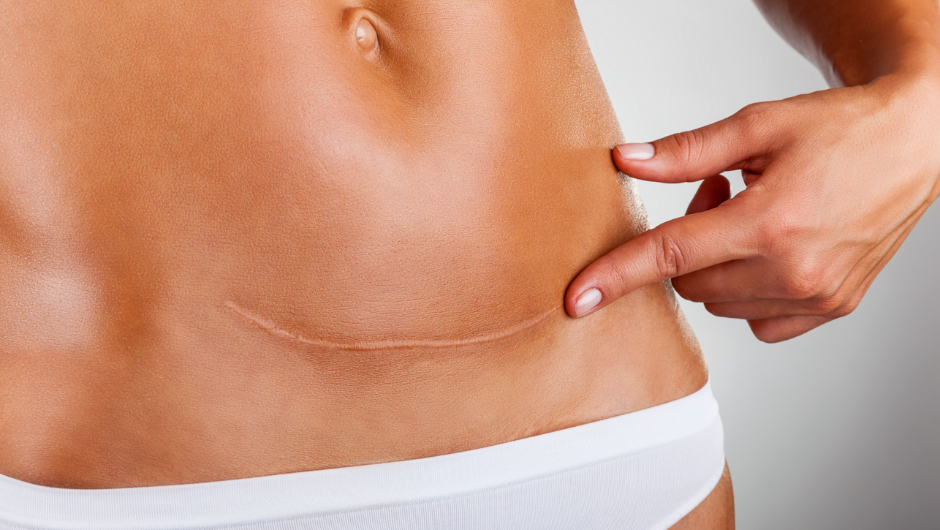
Embracing Your C-Section Recovery: A Guide to Specialized Postpartum Care
The arrival of your baby marks the beginning of an incredible new chapter. While every mother’s journey into parenthood is unique, the path to recovery can look very different depending on how your little one entered the world. A Caesarean section is a common and often life-saving procedure, but it is also major abdominal surgery that requires dedicated care and recovery.
Healing after a C-section involves much more than allowing the incision to close. It requires a holistic approach that supports your physical recovery, emotional wellbeing, and mental health. From scar therapy and pelvic floor rehabilitation to personalized nutrition and emotional support, specialized postpartum care helps mothers recover more comfortably and confidently throughout the fourth trimester.
More Than Just a Scar: Understanding C-Section Recovery
A Caesarean section is a surgical procedure involving multiple layers of tissue, making recovery different from vaginal birth. While mothers who deliver vaginally often focus on perineal healing, C-section mothers must also manage surgical wound care, abdominal discomfort, reduced mobility, and internal healing of both the uterus and abdominal wall.
Because of these unique challenges, recovery should never follow a one-size-fits-all approach. A personalized postpartum care plan helps promote safer healing, restores strength more effectively, and supports your long-term health.
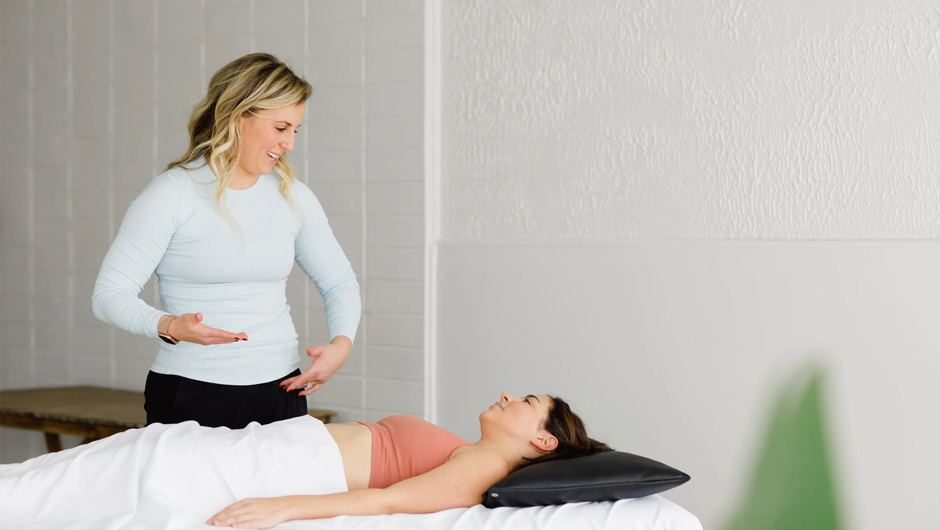
“Gentle movement is a key part of C-section recovery.”
Healing Your C-Section Scar from the Inside Out
Your C-section scar represents one of the most meaningful moments of your life, but proper healing extends beyond what is visible on the surface. As your body heals, scar tissue may develop adhesions—bands of tissue that attach to surrounding muscles or organs—which can contribute to abdominal tightness, discomfort, restricted movement, and even bladder problems later on.
Once your doctor confirms that healing has progressed sufficiently, gentle scar massage can improve circulation, reduce sensitivity, and encourage healthier tissue remodeling. Professional scar therapy may further minimize adhesions, helping restore flexibility, improve core function, and enhance long-term comfort.
Rebuilding Your Core and Pelvic Floor
Many mothers believe that a C-section protects the pelvic floor, but pregnancy itself places considerable strain on these muscles. Throughout pregnancy, the pelvic floor supports your growing baby and uterus, while surgery can also affect your core muscles and overall stability.
Pelvic floor rehabilitation for C-section mothers goes beyond simple Kegel exercises. A carefully guided program strengthens the deep abdominal muscles, pelvic floor, and core without placing excessive stress on your healing incision. This comprehensive approach supports recovery, improves stability, and helps reduce the risk of urinary incontinence and pelvic organ prolapse.
Nutrition That Supports Healing and Breastfeeding
Recovering from surgery requires additional energy and nutrients. For mothers recovering from a C-section, nutrition plays two equally important roles: promoting surgical healing and supporting healthy milk production.
Protein helps rebuild damaged tissues, Vitamin C supports collagen formation for wound healing, and iron replenishes blood lost during surgery. Adequate hydration is also essential for both tissue recovery and successful breastfeeding.
Breastfeeding after a C-section may present additional challenges. Finding comfortable nursing positions—such as the football hold or side-lying position—can reduce pressure on your incision. Some mothers may also notice a slight delay in milk production. Early guidance and professional support can make breastfeeding more comfortable while helping establish a successful feeding routine.
“A supportive professional can help navigate postpartum challenges.”
Caring for Your Emotional Wellbeing
Emotional recovery deserves just as much attention as physical healing. Whether your C-section was planned or unexpected, the experience can bring a wide range of emotions. Some mothers feel disappointment, grief, anxiety, or even trauma if their birth experience did not unfold as expected.
Professional emotional support provides a safe environment to process these feelings, discuss your birth experience, and build confidence as you adjust to motherhood. Addressing your mental wellbeing is an essential part of comprehensive postpartum care, strengthening both your recovery and your connection with your baby.
Conclusion
Recovering from a C-section is a deeply personal journey that deserves specialized care. By focusing on the unique needs of surgical recovery—including scar management, pelvic floor rehabilitation, proper nutrition, breastfeeding support, and emotional wellbeing—you give your body the best opportunity to heal fully.
A personalized postpartum care plan helps restore strength, promotes greater comfort, and supports both physical and emotional recovery. Most importantly, it empowers you to enjoy this new chapter with confidence while giving your body the care and respect it deserves.
Frequently Asked Questions
Q: What makes C-section postpartum care different from recovery after a natural birth?
A: C-section recovery involves healing after major abdominal surgery. Care focuses on incision healing, scar tissue management, pain relief, mobility, and core rehabilitation, while recovery after vaginal birth typically emphasizes perineal healing.
Q: When can I begin scar massage and pelvic floor exercises after a C-section?
A: Always follow your doctor’s advice. Most mothers can begin gentle scar massage and guided pelvic floor rehabilitation after receiving medical clearance, usually during the six-week postpartum check-up.
Q: Does Esther Postpartum Care provide specialized C-section recovery services in Malaysia?
A: Yes. Esther Postpartum Care offers dedicated postpartum programs in Malaysia designed specifically for mothers recovering from Caesarean delivery, including personalized recovery support.
Q: What emotional support is available after a difficult or traumatic C-section?
A: Specialized postpartum care includes emotional and mental health support, providing mothers with a safe environment to process their birth experience, manage anxiety or trauma, and build confidence during recovery.
Q: Are the nutrition plans customized for mothers recovering from surgery?
A: Yes. Nutrition plans are carefully designed to promote tissue healing, restore energy, replenish essential nutrients, and support breastfeeding during C-section recovery.
Book a tour of Esther Confinement Care Centres in
Cheras & Damansara.
Are you looking for a professional, comfortable and highly private confinement care centre for your soon-to-arrive baby?
Esther Confinement Care Centre offers 24-hour care from experienced nurses, postnatal meals tailored by a traditional Chinese medicine practitioner for each stage of recovery, and a five-star standalone accommodation experience.
- Esther Confinement Care Centre Cheras : A quiet and comfortable care environment in a private courtyard
- Esther Confinement Care Centre Damansara: Conveniently located, offering a one-stop recovery programme for mother and baby