
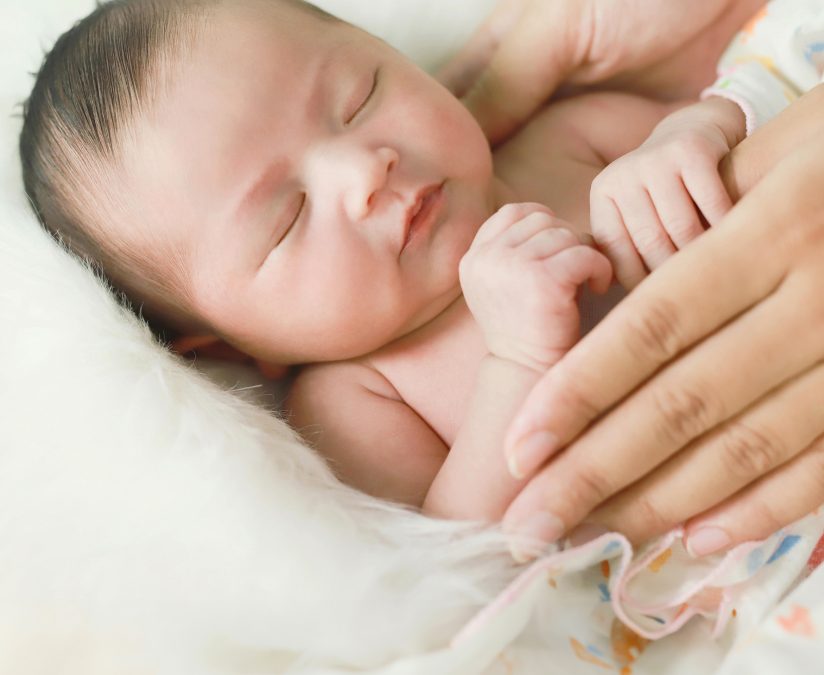
In Malaysia, over 60% of newborn infants develop yellowish skin and eyes during their first 2 to 4 days of life. This common condition is known as Newborn Jaundice.
For first-time parents, watching your baby’s bilirubin level fluctuate can feel overwhelming. How do professional nursing teams monitor and care for jaundiced babies in a confinement centre? This guide breaks down the causes, types, and clinical care protocols for newborn jaundice.
1. What Is Newborn Jaundice? Physiological vs. Pathological Jaundice
Newborn jaundice occurs when a baby’s developing liver cannot clear excess bilirubin—a natural byproduct of red blood cell breakdown—from the bloodstream fast enough.
① Physiological Jaundice (Most Common)
-
Timeline: Appears around day 2–3 after birth, peaks on day 4–5, and gradually subsides within 10–14 days.
-
Characteristics: The baby remains alert, feeds well, and shows healthy activity. This natural process requires proper hydration (breastmilk or formula) to encourage frequent bowel movements that clear bilirubin.
② Pathological Jaundice (Requires Prompt Medical Attention)
-
Timeline: Appears within the first 24 hours of birth, rises rapidly, or persists for more than 2 weeks.
-
Causes: May stem from blood type incompatibility (ABO/Rh), G6PD deficiency, infection, or biliary issues.
-
Management: Requires immediate evaluation by a pediatrician, and may necessitate hospital admission for phototherapy (blue light treatment).
2. How Esther’s Registered Nurses Scientifically Manage Jaundice
At Esther Postpartum Care, our team of fully certified Registered Nurses (RN) enforces a strict daily clinical SOP for newborn care:
[Daily Transcutaneous Bilirubin (TCB) Scan] ➔ [Track Intake & Output] ➔ [Pediatric & TCM Consultation]
Step 1: Daily Non-Invasive TCB Screening
Our nurses use non-invasive Transcutaneous Bilirubinometer (TCB) devices daily on the baby’s forehead and chest. This provides accurate, real-time readings without painful blood pricks.
Step 2: Hydration & Output Monitoring
Bilirubin is primarily excreted through a baby’s stool and urine. Our 24/7 nursing team meticulously logs feeding amounts (ml) and diaper changes to ensure your baby receives adequate hydration to clear jaundice naturally.
Step 3: Pediatric Visits & Rapid Hospital Referral
Esther arranges regular visits from pediatricians and TCM physicians. If a baby’s jaundice reading approaches clinical thresholds, our nurses promptly inform parents and coordinate with partner private hospitals for timely phototherapy evaluation.
3. Why Hotel-Style Confinement Centres Offer Better Jaundice Care
Compared to home confinement or traditional residential settings, a 5-star hotel-style confinement centre provides three major care advantages:
-
Sterile Nurseries & Scheduled UV Sterilization: Our air-purified nurseries prevent secondary infections in babies whose immune systems are temporarily vulnerable.
-
24-Hour Shift Nursing: Jaundiced infants often become sleepy and reluctant to feed. Our night-shift nurses ensure timely feeds to prevent dehydration and jaundice rebound.
-
Peace of Mind for Parents: Parents avoid frequent, stressful hospital runs for blood tests during the mother’s delicate recovery period.
4. Frequently Asked Questions (FAQ)
Q1: Can I continue breastfeeding if my baby has jaundice?
Answer: In most cases, yes! Frequent breastfeeding promotes bowel movements, helping your baby excrete bilirubin faster. If “breastmilk jaundice” is suspected, our lactation consultants and doctors will guide you on appropriate feeding adjustments.
Q2: Can I clear my baby’s jaundice by putting them in direct sunlight?
Answer: Direct sunbathing is not recommended! Sunlight contains unfiltered UV rays that can easily burn delicate newborn skin, and sunlight intensity cannot be regulated. Medical blue light phototherapy is the only clinically proven, safe treatment for elevated jaundice.
Q3: At what bilirubin level does a baby need phototherapy?
Answer: Thresholds depend on gestational age, days since birth, and overall health. Generally, for full-term babies older than 3 days, phototherapy is recommended when bilirubin levels reach 12–15 mg/dL (approx. 200–250 µmol/L) or higher upon pediatrician review.
🌸 Schedule a Private Tour at Esther Cheras & Damansara
Looking for a professional, comfortable, and high-privacy confinement experience for your upcoming newborn? Esther Postpartum Care delivers 24/7 registered nurse care, TCM-guided nutrition, and 5-star luxury hotel suites.
-
Cheras Flagship: Luxurious hotel suites with a serene recovery environment
-
Damansara Branch: Prime location offering comprehensive mother & baby care

